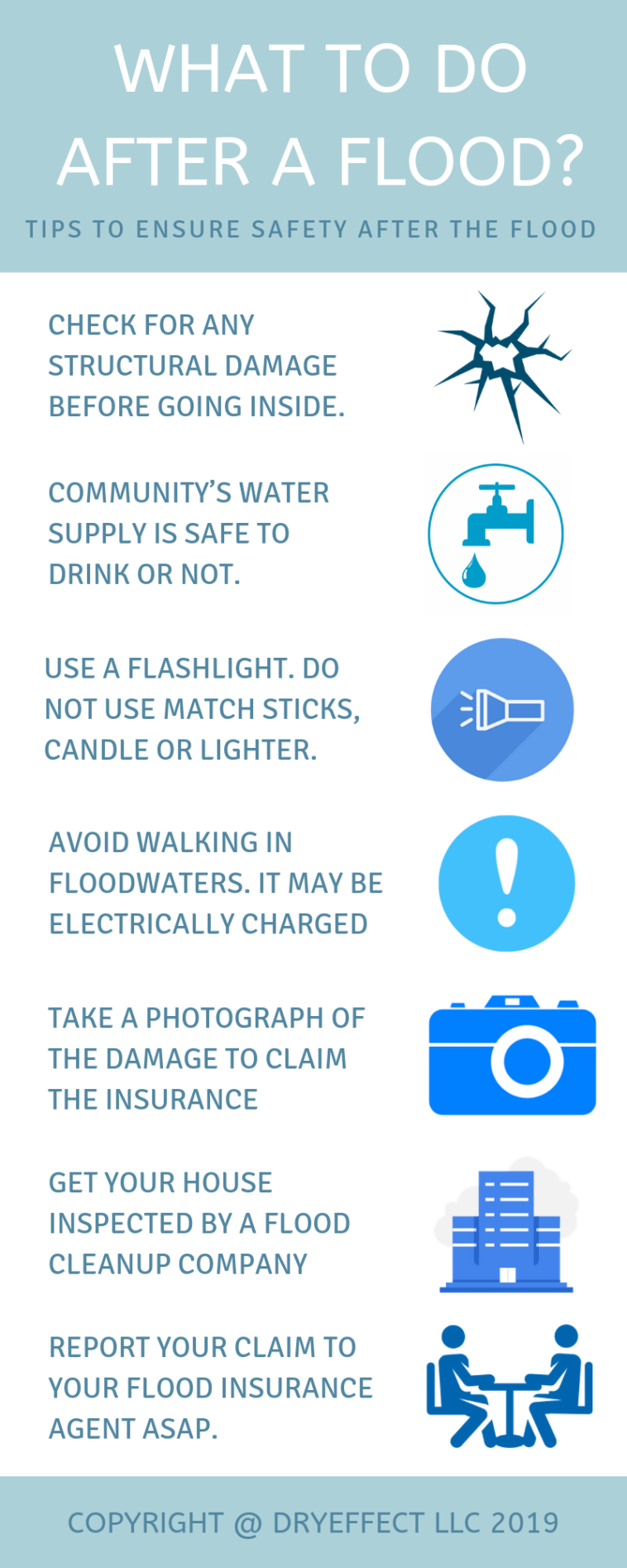
When flooding or a pipeline burst happens, your instant action can make all the difference. First, you'll need to turn off the major water supply and look for any electrical threats. After ensuring your safety, it's important to examine the damages and record whatever for insurance functions. The following steps are essential in protecting against further concerns, so let's check out exactly how to efficiently start the clean-up and restoration procedure.
Shut down the Water and Guarantee Security
When faced with water damages, the very first step is constantly to turn off the water supply-- this can avoid additional flooding and lessen damages.
Find https://www.digitaljournal.com/pr/paul-davis-restoration-of-baton-rouge-specialists-in-mold-damage-and-mold-remediation shut-off valve and transform it clockwise till it's fully shut.
Next off, ensure your safety. Search for electrical risks, and prevent standing in water if there are real-time cables. If it's hazardous, evacuate the area promptly.
Once you're safe, look for structural damages; if you notice any kind of drooping ceilings or walls, stay out of those rooms.
Document the circumstance with pictures, yet focus on safety initially.
After safeguarding the location, you can begin considering your next actions for repair.
Prioritize your well-being throughout this difficult procedure.
Just How to Assess Water Damages and Keep Records for Insurance?
As you assess the degree of water damage, it's crucial to document every little thing for insurance functions. Begin by taking clear images of affected areas, catching both vast shots and close-ups.
Keep in lead removal of damage-- whether it's from flooding or a pipeline ruptured. List harmed items, consisting of furniture, appliances, and individual belongings, with their estimated worths. When possible, collect receipts or acquisition records for these things.
Make a detailed account of when the damage took place and any kind of actions you took later. This info will support your insurance claim and assistance expedite the procedure.
Lastly, maintain all documents organized and readily accessible, as your insurance company might call for added information later on.
Begin Cleanup and repair
Start the cleaning procedure as quickly as it's safe to do so. Beginning by eliminating any kind of standing water with a pump or damp vacuum. If it's risk-free, shut off the electrical energy to prevent shocks. Put on safety gear like gloves and boots to maintain yourself secure from pollutants.
Next off, obtain drenched furnishings, carpets, and anything else that can't be dried. Open up windows and doors to advertise air flow, which helps with drying. Use fans and dehumidifiers to accelerate the procedure.
Look for covert moisture in wall surfaces and floorings, as this can bring about mold and mildew. File every little thing for your insurance coverage claim.
Lastly, if the damages is extensive, do not be reluctant to hire experts to help with the restoration.
Final thought
In the aftermath of flooding or a pipe burst, acting swiftly can conserve you money and time. Shut off the water, ensure your security, and paper every little thing for insurance policy objectives. Begin clean-up by getting rid of standing water and dealing with broken materials. Do not forget to wear safety gear and boost air flow to dry the location. By taking these actions, you can effectively manage the situation and protect against further issues like mold and mildew development. Stay proactive and safe!